

Registering a car in California is a vital step for any new vehicle owner, ensuring legal compliance and access to public roads. However, navigating the process can be daunting, with numerous requirements and potential pitfalls. This article serves as your comprehensive guide, empowering you to smoothly navigate the registration journey. We’ll demystify every step, from gathering essential documents to understanding fees, emphasizing the critical role of DMV VIN verification in ensuring a legitimate transaction. By the end, you’ll be equipped with the knowledge to confidently register your vehicle with ease.
- Understand California Car Registration Requirements
- Gather Necessary Documents for DMV Visit
- Perform DMV VIN Verification Step-by-Step
- Complete Vehicle Registration Application Accurately
- Submit and Follow Up on Your Car Registration
Understand California Car Registration Requirements

Registering a car in California involves more than just filling out forms; it requires understanding specific requirements to ensure compliance with state laws. The California Department of Motor Vehicles (DMV) has strict guidelines for car registration, emphasizing vehicle safety and identification. One critical aspect is the DMV VIN verification process, which ensures that your vehicle’s unique identifier—the Vehicle Identification Number (VIN)—matches the information on record. This step is crucial to prevent fraud and ensure the integrity of the registration process.
A key component of this verification is the mobile VIN verifier, a tool that streamlines the inspection process. Many California DMV locations now offer mobile VIN verification services, allowing you to conduct the check at various stages of the registration process, including when applying for a new title or registering a recently purchased vehicle. This flexibility ensures that you can meet requirements efficiently without additional hassle. For instance, if you’ve bought a used car, a mobile vin inspection can help verify its history and ensure it hasn’t been reported as stolen or had any structural damage, providing peace of mind before finalizing the registration.
Additionally, understanding when and how to conduct these VIN inspections is vital. The DMV recommends completing a VIN inspection for all vehicles, regardless of their age or purchase source. This includes both new and used cars, as well as imported vehicles. A thorough vin inspection involves checking the vehicle’s frame, body, and other structural elements for signs of damage or tampering. It also includes verifying the accuracy of the VIN on various components like the engine, transmission, and steering column. By embracing these practices, California drivers can navigate the registration process seamlessly while ensuring their vehicles meet safety standards.
Gather Necessary Documents for DMV Visit

Before you can register your car in California, you’ll need to gather several essential documents and complete certain verifications. One crucial step is ensuring that your vehicle’s Vehicle Identification Number (VIN) is accurately documented and verified by the California Department of Motor Vehicles (DMV). This process, known as DMV VIN verification, ensures the authenticity of your car’s identification and is a critical part of the registration procedure.
For many California residents, visiting a local DMV office can be time-consuming and cumbersome. To streamline this process, consider utilizing mobile VIN verification services. These innovative tools allow you to complete a mobile VIN inspection from the comfort of your home or even while you’re on the go. By employing a mobile VIN verifier, you can save valuable time and effort, eliminating the need for unnecessary trips to the DMV. This approach is particularly beneficial for those with busy schedules or limited mobility.
During your preparation, make sure you have access to your vehicle’s registration papers, proof of insurance, and a valid driver’s license. Additionally, gathering documentation related to any recent repairs or maintenance can expedite the verification process. For instance, if you’ve had a collision repair or replaced specific components, having records ready demonstrates transparency and facilitates a smoother DMV experience. By being proactive and well-prepared, you can ensure that your car registration goes smoothly, avoiding potential delays or complications.
Perform DMV VIN Verification Step-by-Step

Registering a car in California involves several crucial steps, and one of the most important is the DMV VIN verification process. This step ensures that your vehicle meets all safety and legal standards before it can be titled and registered. Here’s a detailed guide on how to perform this verification, including tips for a smooth process.
First, gather all necessary documents such as the title or bill of sale from the seller, and ensure your driver’s license is valid. Next, visit the California Department of Motor Vehicles (DMV) website to determine if you need an appointment. Many offices now offer mobile VIN verification services, allowing you to schedule an inspector to come to your location for a more convenient experience. During the inspection, a DMV agent or certified inspector will perform a thorough check using the vehicle’s unique Vehicle Identification Number (VIN). This process involves entering the VIN into the state’s database to verify its authenticity and history.
For instance, if you’re purchasing a used car, a mobile VIN inspection can save you time and potential headaches. These inspections are particularly useful for out-of-state purchases, where local laws might differ. The inspector will check for any outstanding recalls, damage, or fraud, ensuring the vehicle is safe to drive. If issues are found during the DMV VIN verification, they’ll be noted on the report, giving you a clear picture of what needs attention before completing the registration. Always ensure your inspection is conducted by a reputable, certified agent to guarantee an accurate and reliable result.
Complete Vehicle Registration Application Accurately

Registering a car in California involves completing several crucial steps, with accurate documentation being paramount. One of the initial and critical tasks is filling out the Vehicle Registration Application (Form MV-1). Ensure every detail is precise, from the vehicle’s make, model, and year to the current owner’s information. Misstatements can lead to delays or even legal issues down the line, so take your time verifying all information before submission.
Accurate registration begins with obtaining a valid Vehicle Identification Number (VIN) inspection. The California DMV encourages the use of a mobile VIN verifier for convenience. This digital tool cross-references your vehicle’s VIN with state records to ensure its authenticity and history. It’s advisable to conduct this check early in the registration process as it provides a solid foundation for subsequent steps. For instance, a 2015 Toyota Camry registered in California should have a clear, accident-free history, which a mobile VIN inspection can reveal.
When completing Form MV-1, double-check that your VIN is correctly recorded, matching the one provided by the mobile vin inspector or the vehicle’s documentation. This attention to detail minimizes errors and expedites processing at the DMV. Remember, an accurate Vehicle Registration Application is key to ensuring a smooth registration experience in California.
Submit and Follow Up on Your Car Registration
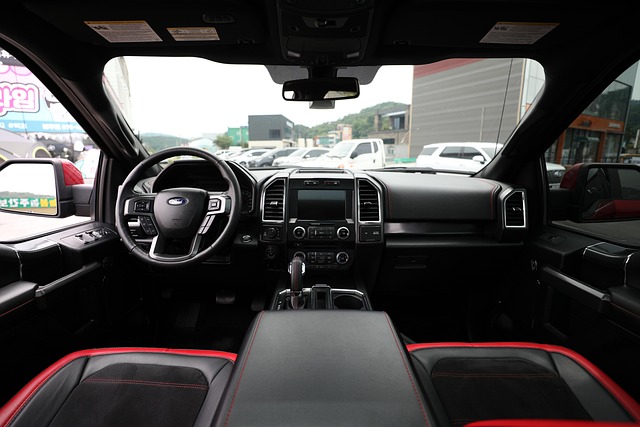
Submitting your car registration with the California Department of Motor Vehicles (DMV) is a crucial step in ensuring your vehicle’s legal status on California roads. After gathering all necessary documents and fees, you’ll need to present them at a local DMV field office or, for added convenience, utilize their online services. During submission, ensure that your vehicle meets all safety standards and emissions requirements through a successful DMV VIN verification process. This involves a thorough inspection of your car’s unique Vehicle Identification Number (VIN), checking its history, and verifying its authenticity.
A mobile VIN inspection or verifier can be particularly useful if you’ve recently purchased a used vehicle, as it provides immediate peace of mind regarding the vehicle’s past. Many third-party services now offer these mobile verifications, allowing you to conduct the check from the comfort of your home or even during a test drive. This modern approach streamlines the traditional process, saving you time and effort while ensuring accuracy. Once submitted, keep track of your application status using the DMV’s online tools or by contacting their support directly.
Remember, timely registration not only keeps your vehicle roadworthy but also helps maintain California’s vast transportation network. Promptly addressing any issues during VIN verification can prevent future complications, such as fines or legal setbacks. Always stay proactive and ensure that every aspect of your car’s registration is up to date, making the roads safer for all Californians.
By meticulously navigating California’s car registration process, from understanding essential requirements to accurately completing applications, you’ve empowered yourself with the knowledge to ensure your vehicle’s legal status. Key takeaways include the importance of gathering all necessary documents, correctly performing the DMV VIN verification step-by-step, and submitting applications diligently. This authoritative guide provides a solid foundation for successfully registering your car in California, ensuring compliance and peace of mind. Remember, proper registration not only protects you from legal issues but also facilitates smoother interactions with law enforcement and insurance providers.