

Looking to register your car in California? This comprehensive guide walks you through every step, from understanding eligibility requirements to completing vital inspections. Gather essential documents like proof of ownership (using a DMV VIN verifier) and insurance. Visit your local California DMV office or utilize online services for convenience. Ensure your vehicle passes emission testing if needed, then pay registration fees to obtain your title. Simplify the process with this step-by-step approach.
- Understand Eligibility Requirements for Car Registration
- Gather Necessary Documents for California DMV
- Visit Your Local California DMV Office or Use Online Services
- Complete Vehicle Inspection and Emission Testing (if applicable)
- Pay Registration Fees and Obtain Your Vehicle's Title
Understand Eligibility Requirements for Car Registration

Before registering your car in California, it’s crucial to understand the eligibility requirements set by the Department of Motor Vehicles (DMV). To start, ensure that your vehicle meets all safety and emission standards as per California regulations. The car must also have a valid registration from another state or be newly purchased with all necessary documents. A key step in this process involves obtaining a Vehicle Identification Number (VIN) verification through a trusted DMV vin verifier or mobile vin inspection service.
This verification is essential to confirm the vehicle’s authenticity and history, protecting you against potential fraud. Using a mobile vin inspection service can simplify the process by allowing you to complete the check quickly and conveniently without visiting a DMV office. With this information in hand, you’ll be one step closer to smoothly registering your car in California.
Gather Necessary Documents for California DMV
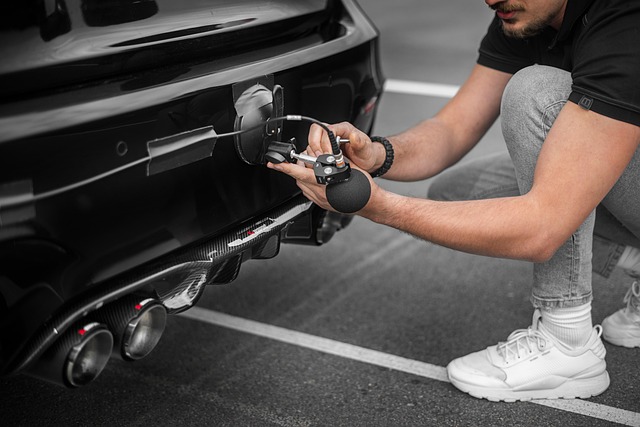
Before registering your car with the California Department of Motor Vehicles (DMV), ensure you have all the required documents. This process is crucial for a smooth and efficient transaction. Gather your vehicle’s registration from its previous state, if applicable, as well as proof of insurance and ownership. The DMV requires a valid driver’s license or ID card for all parties involved in the transaction. Additionally, you’ll need to provide proof of residency, typically with a utility bill or bank statement displaying your current California address.
One essential step is to obtain a Vehicle Identification Number (VIN) inspection from an approved verifier. This can be done through a mobile vin inspection service, making it convenient for many California residents. The VIN verifier will validate the vehicle’s history and ensure it meets all legal standards, which is a critical aspect of the registration process. Remember, having these documents ready demonstrates your preparedness and ensures a faster registration experience at the DMV.
Visit Your Local California DMV Office or Use Online Services

When registering your car in California, one of the initial steps involves either visiting your local DMV office or utilizing their online services for a convenient and efficient process. The California Department of Motor Vehicles (DMV) offers multiple options to ensure accessibility. If you prefer a more traditional approach, heading to a nearby DMV branch is recommended. Here, you can interact with knowledgeable staff who can guide you through the registration process. Alternatively, their online platform provides a digital solution for those accustomed to remote services. Utilizing the DMV’s website or mobile app allows for a comprehensive vin inspection and verification, making it easy to initiate the registration from the comfort of your home.
For out-of-state residents or those with time constraints, taking advantage of these digital tools is particularly beneficial. The online vin verifier by DMV facilitates a quick check of your vehicle’s history and ensures all necessary documents are in order before submitting your registration application. This mobile vin verification process streamlines the typically lengthy procedure, making car registration in California an accessible and manageable task for everyone.
Complete Vehicle Inspection and Emission Testing (if applicable)

Before registering your car in California, it’s crucial to ensure your vehicle meets all safety and environmental standards. One important step is completing a Vehicle Inspection and Emission Testing (VIET). This process verifies that your car’s components, from brakes to emissions systems, function correctly. The California Department of Motor Vehicles (DMV) requires this inspection for most vehicles, and it’s often done in conjunction with registration renewal. If you’re considering a mobile vin inspection or mobile vin verification service, remember that these professional services can streamline the process by bringing the testing to your location, offering convenience and saving time.
For vehicles built after 1965, the DMV recommends using a certified Vehicle Inspection Station. These stations have trained technicians who check for issues with lights, brakes, tires, and more. Additionally, if your car is model year 2001 or newer, it must pass an emissions test using a DVN verifier to ensure it meets California’s strict air quality standards. This step ensures that your vehicle not only complies with state regulations but also contributes to a cleaner environment for all Californians.
Pay Registration Fees and Obtain Your Vehicle's Title

After gathering your necessary documents, it’s time to pay the registration fees and obtain your vehicle’s title. The California Department of Motor Vehicles (DMV) requires a fee for registering your car, which varies depending on the type of vehicle and its age. You can typically pay these fees online or in-person at any DMV office. It’s essential to ensure that you’re using the correct and current fees as prices fluctuate.
To streamline this process, many Californians opt for a mobile vin inspection or mobile vin verification service, which allows a professional to come to your location to verify your vehicle’s details, including its Vehicle Identification Number (VIN). This service is particularly beneficial for those who have difficulty visiting a DMV office, ensuring a swift and accurate title transfer.
Registering a car in California involves several straightforward steps. By understanding the eligibility requirements, gathering the necessary documents, and completing inspections and emissions testing (when applicable), you can efficiently navigate the process at your local DMV or through online services. Don’t forget to utilize a reliable DMV VIN verifier to ensure all details are accurate, making the registration experience seamless.