
Looking to register your car in California? This comprehensive guide walks you through the entire process, from understanding key requirements for car registration in California, to gathering essential documents for DMV VIN verification. Learn how to visit a local DMV office or leverage online services, complete the registration and title transfer, and pay fees, all while ensuring a smooth and efficient experience.
- Understand the Requirements for Car Registration in California
- Gather Necessary Documents for DMV VIN Verification
- Visit a California DMV Office or Use Online Services
- Complete the Registration and Title Transfer Process
- Pay the Required Fees and Receive Your Vehicle's License Plate
Understand the Requirements for Car Registration in California

Before registering your car in California, it’s crucial to understand the state’s requirements. The California Department of Motor Vehicles (DMV) mandates several key steps for car registration, including a thorough vehicle inspection and verification of the Vehicle Identification Number (VIN). This VIN verification process ensures that your car meets safety and emissions standards set by the DMV.
One efficient way to complete this step is through mobile VIN verification services. These options, like using a mobile VIN inspector or verifier, allow you to get the necessary information from anywhere, streamlining the registration process. By leveraging technology, you can conveniently ensure your vehicle complies with California’s regulations, making car registration faster and more hassle-free.
Gather Necessary Documents for DMV VIN Verification

Before heading to the DMV for car registration, ensure you gather all the essential documents required for a successful dmv vin verification. This process is crucial for establishing ownership and vehicle authenticity. You’ll need the typical paperwork, such as your driver’s license or state ID, proof of residency (like a utility bill), and a valid insurance card.
Additionally, arrange your vehicle’s VIN inspection documents, which might include the vehicle’s certificate of origin, purchase agreement, or any other proof of ownership history. If you’ve recently acquired the car through a private sale or from out of state, be prepared to provide extra documentation. A mobile vin verifier can also assist in this process by quickly and conveniently providing digital verification, making your visit to the DMV smoother.
Visit a California DMV Office or Use Online Services

You have a few options when it comes to registering your car in California. One way is to visit a local DMV office. Bring all required documents, including your vehicle’s registration from the previous state, proof of insurance, and identification. A California DMV agent will guide you through the process and perform a VIN verification to ensure the vehicle matches the details provided. This method ensures a face-to-face interaction and can be helpful for those who prefer in-person services or have complex registration needs.
Alternatively, California’s Department of Motor Vehicles (DMV) offers convenient online services that allow you to register your car remotely. You can initiate the registration process online, upload necessary documents, and even schedule a time for a mobile VIN verifier to conduct an inspection at your convenience. This option is ideal for those who are tech-savvy or prefer a hassle-free, paperless approach. By utilizing the DMV’s digital tools, including a mobile vin inspector if needed, you can streamline the registration process in no time.
Complete the Registration and Title Transfer Process
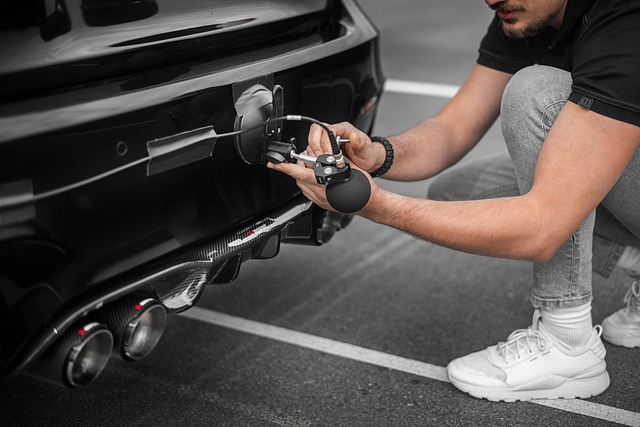
To complete the registration and title transfer process in California, you’ll need to ensure several steps are taken accurately. After gathering all necessary documents, such as proof of insurance, a valid driver’s license, and the vehicle’s title, visit your local Department of Motor Vehicles (DMV) office or use their online services for a seamless experience. The DMV will conduct a Vehicle Identification Number (VIN) verification to ensure the car’s details match the information provided. This step is crucial to prevent fraud and ensure the accuracy of the registration process.
A common alternative to in-person visits, especially for those with busy schedules, is leveraging mobile VIN verification services. These tools allow you to obtain a comprehensive vehicle history report right from your smartphone or tablet. A mobile VIN inspector can provide real-time data, including accident reports, title records, and odometer readings, making the registration process quicker and more convenient. This method aligns with modern digital trends, ensuring folks can manage their vehicular affairs promptly and effectively.
Pay the Required Fees and Receive Your Vehicle's License Plate

After completing your vehicle’s registration application at the California DMV, the next step is to pay the required fees. This typically includes a registration fee and a vehicle license fee, which vary based on your vehicle type and age. Once your payment is processed, you’ll receive your Vehicle Identification Number (VIN) verification and can proceed with getting your license plate.
To streamline this process, consider scheduling a mobile VIN inspection or verification service. These services send a professional to your location to complete the necessary checks, ensuring your vehicle’s history and specifications are accurate. This option is especially beneficial if you have a busy schedule or face challenges transporting your vehicle to a DMV office for an inspection.
Registering a car in California involves understanding specific requirements, gathering essential documents, and completing a straightforward process at the DMV or online. Properly executing these steps ensures compliance with state regulations, allowing you to legally operate your vehicle on California roads. Remember to conduct dmv vin verification as part of this process for a smooth and efficient registration experience.