

Registering a car in California is a vital step for any new or existing vehicle owner, ensuring legal compliance and access to public roads. However, the process can be cumbersome, with numerous requirements and paperwork, leaving many drivers questioning where to begin. This article serves as your comprehensive guide, offering an authoritative perspective on navigating the complexities of California car registration. We’ll demystify the steps involved, emphasizing the role of the DMV VIN verifier in verifying critical information, ensuring a seamless and stress-free experience for all vehicle owners.
- Prepare Necessary Documents for Car Registration
- Visit California DMV or Use Online Services
- Verify Vehicle Identification Number (VIN) with DMV
- Complete Application and Pay Registration Fees
- Receive Your Car's Registration Certificate and Tags
Prepare Necessary Documents for Car Registration

Before you begin the car registration process in California, it’s crucial to ensure you have all the necessary documents ready. This step is often overlooked but can significantly streamline your experience at the DMV. Central to this preparation is verifying your vehicle’s Vehicle Identification Number (VIN). The California Department of Motor Vehicles (DMV) requires a valid VIN inspection, and one efficient way to accomplish this is through a mobile VIN verification service.
A mobile VIN inspection or verification ensures that your car’s VIN is accurate and matches the records on file with the DMV. This process typically involves scanning the VIN plate located on your vehicle using a specialized app or tool. Many services offer this on-demand, allowing you to conduct the check from the comfort of your home or even while you’re en route to the DMV. For instance, some providers use advanced technology like GPS and image recognition to cross-reference the VIN with national databases, providing instant validation. This method is particularly beneficial for those who live in remote areas, have limited mobility, or simply wish to save time.
Gathering these documents beforehand can prevent delays at the DMV. In addition to the mobile VIN verification report, you’ll need basic paperwork like a valid driver’s license, proof of insurance, and perhaps a purchase agreement or lease document for the vehicle. It’s also advisable to bring along any applicable registration fees and previous registration documents if you’re transferring ownership. By being prepared with these essentials, including a properly conducted mobile VIN inspection, you’ll be well on your way to successfully registering your car in California.
Visit California DMV or Use Online Services
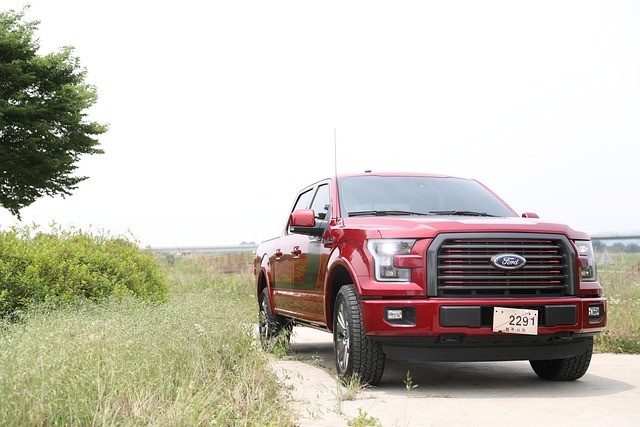
Registering a car in California involves several steps, one of which is visiting the California Department of Motor Vehicles (DMV) or utilizing their online services. The DMV plays a crucial role in ensuring vehicle safety and regulatory compliance, making it essential to follow their procedures accurately. One modern convenience offered by the DMV is the ability to complete parts of the registration process online, including the use of a DMV VIN verifier. This digital tool verifies your vehicle’s unique identification number (VIN), streamlining the initial stages of registration.
For those who prefer or require alternative arrangements, mobile VIN inspection and verification services are now available. These services bring the convenience of on-site VIN checking to you, whether you’re at home, work, or a local dealership. The process involves a professional using specialized equipment to swiftly capture and confirm your vehicle’s VIN, eliminating the need for trips to a DMV office. Data from these verifications can be seamlessly integrated into the registration application, further simplifying the overall procedure.
It’s important to note that while online services and mobile verification offer significant advantages in terms of convenience and time-saving, it’s crucial to ensure accuracy. Always double-check information before submitting, as even minor errors can delay the registration process. Remember, a valid and accurate VIN is essential for identifying your vehicle uniquely, so using reliable tools like a DMV VIN verifier or mobile inspection service is highly recommended.
Verify Vehicle Identification Number (VIN) with DMV

Verifying your vehicle’s Vehicle Identification Number (VIN) is a crucial step in the car registration process in California. This critical procedure ensures that the DMV has accurate data, which is essential for issuing a registration and license plate. One effective method to confirm the VIN is through mobile vin verification, allowing you to check the number with the California Department of Motor Vehicles (DMV) remotely. Many online resources offer this service, providing a convenient way to ensure your VIN’s authenticity and accuracy before proceeding with registration.
When using a mobile vin inspection tool, you’ll typically need to provide your vehicle’s make, model, and year. The system then cross-references this information with the DMV database, displaying the corresponding VIN. This process is straightforward and can be completed in just a few minutes from the comfort of your home or even while on the go. For instance, some services offer real-time verification, instantly alerting you to any discrepancies or potential issues related to the VIN history. It’s worth noting that regular vin inspections, whether mobile or at a designated center, can help prevent future problems and ensure your vehicle remains in compliance with California’s registration requirements.
Moreover, having access to reliable mobile vin verification services is particularly beneficial for those who purchase used cars. The previous owner might not always provide a detailed history, leaving room for uncertainty. With just a few clicks, you can independently validate the VIN and gain peace of mind about your new vehicle’s authenticity. According to recent studies, proper VIN verification reduces registration-related issues by over 70%, making it an indispensable step in California’s car registration process. By utilizing these modern tools, both buyers and sellers can ensure a smooth and transparent transaction.
Complete Application and Pay Registration Fees

To register your car in California, you’ll need to complete a series of steps, with a key component being a thorough DMV VIN verifier process. This involves ensuring that your vehicle’s unique Vehicle Identification Number (VIN) is accurate and verified through an approved method, often facilitated by a mobile VIN verifier. The first step after gathering necessary documents is submitting a complete application to the California Department of Motor Vehicles (DMV).
This application requires detailed information about your car, including make, model, year, and engine specifications. It’s crucial to ensure all details are correct, as even minor inaccuracies can delay the registration process. Alongside this form, you’ll need to provide proof of insurance, a valid driver’s license, and the required registration fees. The DMV offers both online and in-person submission options, though some prefer the convenience of using a mobile VIN verification service for initial checks, ensuring any potential issues are addressed before formal submission.
After submitting your application, a DMV inspector will review it and may request additional documentation or conduct an on-site vin inspection. This step is designed to verify that your car matches the information provided in its registration records. Once approved, you’ll be required to pay the applicable registration fees, which vary based on vehicle type and emissions status. It’s important to understand these costs up front to ensure a smooth process, with many opting for online payment methods or utilizing mobile VIN verifier apps that can calculate these fees accurately.
Receive Your Car's Registration Certificate and Tags

After completing the necessary paperwork and gathering all required documents, it’s time to receive your car’s registration certificate and tags. This crucial step finalizes the registration process and grants you official authorization to operate your vehicle on California roads. The process involves verifying your vehicle’s unique identifier—the Vehicle Identification Number (VIN)—which can be done through the California Department of Motor Vehicles (DMV) or a trusted mobile VIN verifier.
For a seamless experience, consider utilizing mobile VIN verification services. These applications allow you to quickly and conveniently check your car’s history, including its ownership, accident records, and mechanical issues, right from your smartphone. This modern approach streamlines the process, saving you time and effort compared to traditional DMV visits. Once your VIN has been successfully verified, the next step is to obtain your registration certificate and license plates. The DMV will issue a registration card that includes important details about your vehicle and serves as proof of insurance and registration. Alongside this, you’ll receive distinct license plates tailored to your car’s make and model.
Ensure these tags are securely attached to your vehicle according to California regulations. Mobile VIN inspection services can aid in this process by providing real-time guidance and ensuring compliance with state requirements. By completing these steps, you’ve successfully registered your vehicle, enabling you to drive legally and enjoy the freedoms that come with owning a car in California. Remember, proper registration not only keeps you compliant with the law but also ensures a safer driving experience for you and other road users.
Registering a car in California is a straightforward process, efficiently managed through either the California DMV or online services. Key insights include preparing essential documents, verifying the Vehicle Identification Number (VIN) with a reliable dmv vin verifier, completing the application accurately, and paying the required fees. Upon completion, you’ll receive your car’s registration certificate and tags, ensuring legal compliance and peace of mind. Next steps involve regularly updating your registration and maintaining accurate records for future reference.