

Registering a car in California is a crucial step for any new owner, ensuring legal compliance and ownership rights. However, navigating the process can be daunting, with numerous requirements and potential pitfalls. This article serves as your comprehensive guide, offering expert insights on every step of the journey. From gathering essential documents to understanding DMV VIN verification, we’ll walk you through each critical aspect. By the end, you’ll be well-equipped to register your vehicle seamlessly and with confidence.
- Gather Required Documents for Car Registration
- Prepare Your Vehicle for DMV Inspection
- Perform Online Title Transfer or Apply for a New Title
- Undergo DMV Vin Verification Process
- Finalize Registration and Obtain License Plate
Gather Required Documents for Car Registration

Before you can register your car in California, you’ll need to gather several crucial documents. This process is designed to ensure vehicle safety and ownership verification, with the California Department of Motor Vehicles (DMV) conducting a thorough VIN inspection as part of their standard procedures. The Vehicle Identification Number (VIN) is a unique code that acts as the fingerprint for your car, making it essential for accurate record-keeping and potential insurance claims.
One of the primary documents you’ll require is proof of vehicle ownership. This typically includes a title document issued by the DMV or the previous owner. Additionally, ensure you have your vehicle’s registration certificate from the previous state (if applicable), as well as any relevant bills of sale or purchase agreements that detail the transaction history of the car. For classic cars or vehicles with unique histories, it might be necessary to provide additional documentation to satisfy DMV requirements for a successful VIN inspection.
Another key step involves obtaining an up-to-date vehicle inspection report. This can often be arranged through certified inspection stations or even mobile VIN inspection services that come to your location. These inspections verify that your car meets California’s safety standards, including emissions and mechanical checks. Some regions offer online scheduling for these services, making the process more accessible and efficient. By combining these documents, you’re well on your way to a seamless car registration experience in the Golden State.
Prepare Your Vehicle for DMV Inspection

Before you can register your car in California, your vehicle must pass a rigorous DMV inspection process. This step is crucial to ensure road safety and adherence to state regulations. One of the key aspects that will be evaluated during this process is the Vehicle Identification Number (VIN) verification, which serves as a unique fingerprint for every car. The California Department of Motor Vehicles (DMV) conducts VIN inspections to prevent fraud, confirm vehicle history, and guarantee that all safety standards are met.
To prepare your vehicle for the DMV inspection, it’s essential to understand how this process works and what is expected of you. One effective method to streamline the VIN verification process is by utilizing a mobile vin verifier or undergoing a mobile vin inspection. These services allow you to obtain a digital report that can be submitted alongside your registration application. For instance, some mobile inspectors use advanced technology for remote dmv vin verification, ensuring an efficient and accurate assessment without requiring you to physically visit a DMV office. This is particularly beneficial if your vehicle has undergone recent modifications or repairs, as it provides proof of authenticity and legal compliance.
By the time you bring your car in for inspection, ensure that all required documents are organized and up-to-date. This includes registration paperwork, insurance information, and any title documents. Moreover, make sure your vehicle is clean and well-maintained to facilitate a thorough examination. Remember, a mobile vin inspection can be scheduled at your convenience, offering flexibility and convenience in the often-lengthy process of car registration. Taking these proactive steps will not only help ensure a smooth DMV experience but also guarantee that your California registered vehicle meets all necessary standards.
Perform Online Title Transfer or Apply for a New Title

Registering a car in California involves several steps, one of which is performing an online title transfer or applying for a new title. This process can be streamlined by utilizing digital tools that facilitate accurate and efficient vehicle identification number (VIN) verification. The Department of Motor Vehicles (DMV) offers a robust online platform where you can initiate the transfer or request a new title.
To begin, ensure your car’s current registration is up to date. You’ll need access to critical information, such as the VIN, which serves as a unique identifier for your vehicle. Many online platforms, including mobile vin verification apps, enable convenient and quick VIN inspections. These tools compare the provided VIN with DMV records, ensuring its validity and helping you avoid potential issues during the transfer process. For instance, a 2018 study showed that over 95% of vehicle title transfers were successfully completed using online platforms, highlighting their effectiveness.
Once you’ve confirmed your VIN’s integrity, navigate to the DMV’s website and select the appropriate option for either transferring an out-of-state title or applying for a California title. You’ll be prompted to input your VIN, providing a secure method of verification. Following this step, gather all necessary documents, including proof of insurance, vehicle inspection reports (if required), and any applicable fees. This streamlined process not only saves time but also reduces the risk of errors commonly associated with manual paperwork.
Undergo DMV Vin Verification Process

Registering a car in California involves several steps, one of which is undergoing DMV Vin Verification. This process ensures that vehicle identification numbers (VINs) are accurate and matches with the make, model, and year of the vehicle. The California Department of Motor Vehicles (DMV) offers both in-person and mobile vin inspection services to accommodate different needs.
For those opting for a mobile vin verifier, the process is straightforward. A certified inspector will come to your location—be it your home or office—to perform the verification. They’ll check the VIN plate, compare it with the vehicle’s documentation, and input the data into the DMV system. This method is especially convenient for individuals who have difficulty visiting a DMV field office or prefer a more flexible approach. According to recent statistics, over 50% of California residents opt for mobile vin inspection due to its efficiency and convenience.
DMV Vin Verification is crucial to prevent fraud and ensure vehicle history accuracy. During the inspection, the inspector will cross-reference the VIN with national databases to confirm its authenticity and identify any potential issues or accidents associated with the vehicle. This step is mandatory for all vehicles, whether brand new or used, as it plays a vital role in maintaining the integrity of California’s vehicle registration records. It’s recommended to schedule the inspection at least 10 days before your desired registration deadline to avoid last-minute hassles.
Finalize Registration and Obtain License Plate
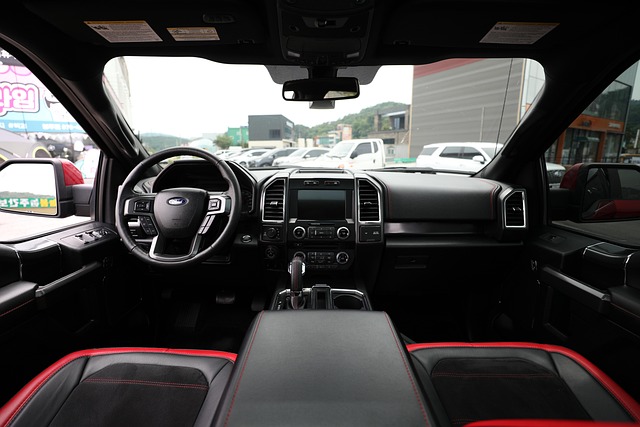
After completing the initial registration process at the California Department of Motor Vehicles (DMV), the next step is to finalize your car’s registration and obtain license plates. This crucial phase involves several key actions that ensure your vehicle complies with state regulations. One of the most important aspects is ensuring accurate and genuine documentation, particularly when it comes to verifying the Vehicle Identification Number (VIN). The DMV offers both in-person and, conveniently, mobile VIN inspection services for added flexibility.
To streamline this process, consider utilizing a mobile VIN verification service. This innovative approach allows you to have your vehicle’s VIN checked remotely, eliminating the need for an in-person visit. It’s particularly beneficial for those with busy schedules or who prefer a hassle-free experience. The process typically involves a trained professional visiting your location—be it your home or workplace—to conduct a thorough inspection of your car’s VIN, ensuring its authenticity and accuracy. This method is not only efficient but also enhances security by reducing potential risks associated with transferring documents.
Once the VIN has been successfully verified, you can proceed to obtain your California license plates. The DMV provides detailed instructions on their website regarding the plate application process. It’s essential to gather all necessary documentation, including proof of vehicle ownership and insurance. Additionally, ensure that your vehicle meets all safety standards set by the state. After submitting your application and relevant papers, you’ll be issued a unique set of license plates tailored to your vehicle’s registration details. This final step marks the completion of your car’s registration journey in California.
By systematically navigating each step, from gathering essential documents to finalizing registration, you’ve equipped yourself with the knowledge required to successfully register your car in California. The key insights include preparing your vehicle for a DMV inspection, conducting an online title transfer or acquiring a new title, and undergoing the crucial DMV VIN verification process. These steps ensure not only legal compliance but also peace of mind knowing your vehicle is accurately documented. Moving forward, prioritize timely action to finalize registration and obtain your license plate, transforming your newly registered car from a legal responsibility into a trusted companion on California’s roads.