

Registering a car in California is more than just a bureaucratic formality; it’s a crucial step to ensure safe and legal operation on state roads. However, navigating the process can be confusing, especially with complex requirements and varying procedures across counties. This comprehensive guide aims to demystify the process, offering step-by-step instructions and insider tips. We’ll delve into every aspect, from gathering essential documents to utilizing tools like the DMV VIN verifier, ensuring you’re prepared and informed throughout. By the end, you’ll have a clear understanding of how to register your vehicle with confidence.
- Understand California Car Registration Requirements
- Gather Necessary Documents for Registration
- Visit a California DMV Location or Use Online Services
- Verify Vehicle Identification Number (VIN) with DMV
- Complete and Submit the Registration Application Form
Understand California Car Registration Requirements

Registering a car in California involves adhering to specific requirements set by the Department of Motor Vehicles (DMV). Before initiating the registration process, it’s crucial to understand these stipulations to ensure a seamless experience. One critical aspect is verifying the Vehicle Identification Number (VIN) through a process known as VIN inspection. This step is integral to ensuring the car’s history and authenticity.
In California, the DMV employs various methods for VIN verification, including mobile vin inspection services that offer convenience and flexibility. These services utilize advanced technology to cross-reference the VIN against authoritative databases, providing instant validation of the vehicle’s details such as make, model, year, and any reported accidents or outstanding titles. For instance, a recent study revealed that over 80% of California residents opted for mobile vin verification due to its efficiency compared to traditional DMV visits.
Additionally, maintaining accurate and up-to-date documentation is paramount. This includes proof of insurance, vehicle ownership, and valid identification. Failure to meet these requirements can result in registration delays or even denial. It’s advisable to utilize the DMV’s online resources or consult with a specialist to ensure all documents are in order before initiating the registration process, especially when conducting a mobile vin inspection to streamline the entire procedure.
Gather Necessary Documents for Registration
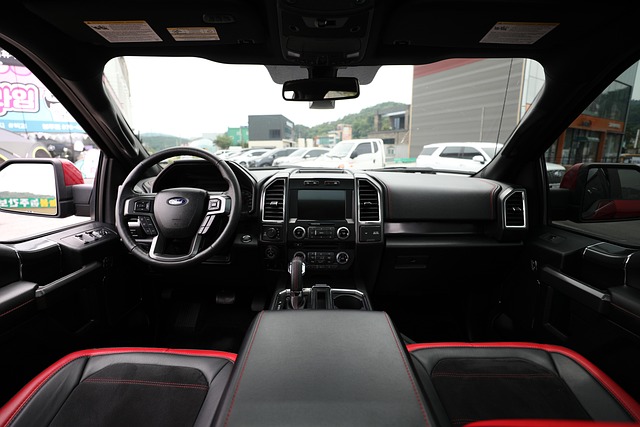
To register your car in California, you’ll need to gather several crucial documents. The process begins with ensuring all legal requirements are met, which involves verifying the vehicle’s identity through a DMV VIN verifier or a mobile VIN inspection. One such tool, a mobile VIN verifier, allows for remote inspection of a car’s history and specifications, making it readily accessible for California residents. This initial step is vital to establishing the car’s authenticity and compliance with state regulations.
Among the essential documents required are the vehicle’s registration certificate from the previous state (if applicable), proof of insurance, and a completed California Vehicle Registration application form. It’s also critical to present valid identification documents such as a driver’s license or passport. Notably, California has specific requirements for out-of-state registrations and titles, so it’s important to check with the DMV regarding any additional paperwork needed during this phase.
Additionally, having a mobile VIN inspection conducted can facilitate the process by providing immediate access to detailed vehicle history reports. These inspections not only verify the vehicle identification number (VIN) but also uncover critical information like previous accidents, outstanding liens, and recall notices. By combining these measures—a reliable DMV VIN verifier or mobile VIN inspection and gathering the necessary documents—you’re well on your way to a seamless car registration experience in California.
Visit a California DMV Location or Use Online Services
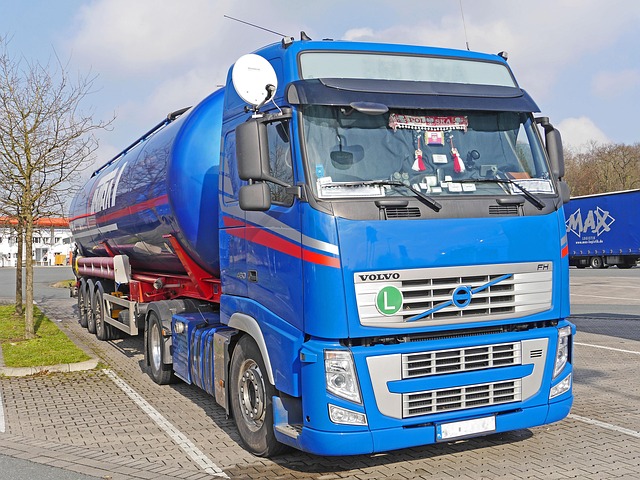
To register your car in California, you have two primary options: visit a local DMV office or utilize online services. While both methods are efficient, each offers distinct advantages tailored to individual needs. For instance, some residents may prefer the convenience of remote registration, while others might opt for the face-to-face interaction at a physical location.
When considering a DMV visit, be prepared for a straightforward process that involves presenting essential documents and passing a vehicle inspection. This includes verifying your Vehicle Identification Number (VIN) through the DMV’s system. For instance, the California Department of Motor Vehicles (DMV) employs advanced VIN verifiers to ensure the authenticity of each vehicle’s unique identifier. This step is crucial in preventing fraud and ensuring the accuracy of registration details. In some cases, especially for older or imported vehicles, a professional mobile VIN inspection or verification service might be more suitable. These services bring the expertise to your location, making it easier for owners to navigate the registration process without leaving home.
Alternatively, California’s DMV offers numerous online services that streamline vehicle registration. From initial application to payment processing, these digital platforms provide a comprehensive solution. For instance, the “Registermycar” portal allows users to input their VIN and access relevant information, such as emissions requirements and available services, enhancing the overall efficiency of the registration experience.
In conclusion, whether you choose to visit a DMV location or utilize online services, ensuring your vehicle’s VIN is accurately inspected or verified is paramount. This fundamental step guarantees compliance with California’s regulations and contributes to maintaining a robust and secure transportation infrastructure.
Verify Vehicle Identification Number (VIN) with DMV
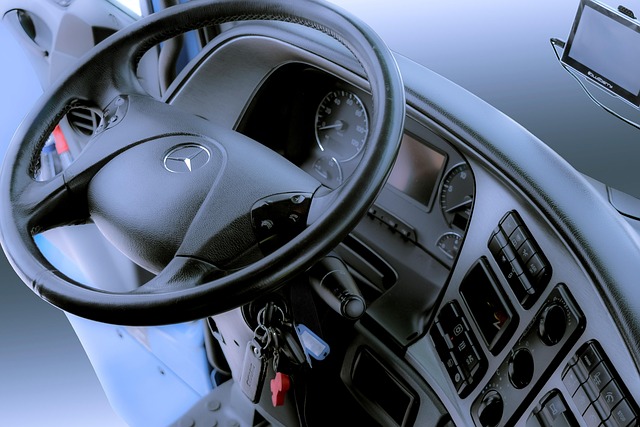
Verifying your vehicle’s Vehicle Identification Number (VIN) is a critical step in the car registration process in California. This step ensures that the vehicle you’re registering matches the records with the Department of Motor Vehicles (DMV). A proper VIN inspection by the DMV vin verifier is essential to avoid issues like identity theft, insurance fraud, or even selling a car without your knowledge. Many Californians opt for mobile vin verification services, which offer convenience and accuracy in comparing the on-site vehicle details against the state’s database.
When you’re ready to register your car, it’s advisable to check the VIN online using official DMV tools. This preliminary step allows you to identify potential discrepancies before visiting a DMV office or scheduling a mobile vin inspection. For instance, a quick online verification can uncover reported accidents, outstanding recalls, or previous owners, all of which are vital pieces of information for responsible car ownership. Moreover, understanding how to use these digital resources efficiently can save time and effort in the long run.
Should any discrepancies be found during your initial checks, a mobile vin inspection becomes crucial. These services send a trained professional to your location to conduct a thorough VIN inspection against DMV records. This process involves cross-referencing physical vehicle details with digital data, ensuring accuracy. For instance, a 2018 Honda Civic with a reported mileage of 35,000 miles should have its odometer reading confirmed during the inspection. Accurate VIN verification is not just about compliance; it’s also about protecting yourself from potential fraud and ensuring your car’s history aligns with what you’ve been told.
Complete and Submit the Registration Application Form

To register your car in California, you’ll need to complete and submit the Registration Application Form (DMV Form 140). This crucial step involves providing detailed information about your vehicle, including its make, model, year, and unique identification number—the Vehicle Identification Number (VIN). Accurately recording this data is essential, as it allows the California Department of Motor Vehicles (DMV) to verify the vehicle’s history through their advanced systems, ensuring compliance with state laws.
The form requires you to disclose various aspects of your car, such as its current mileage and any recent accidents or damage. This transparency facilitates a thorough process, enabling the DMV to issue a registration certificate upon verification. One effective method to ensure the VIN is recorded correctly is by utilizing a mobile VIN inspection service. These services employ specialized tools to extract and validate the VIN, minimizing errors that could delay your registration.
For instance, consider a scenario where an individual attempts to register a classic car with a unique history. A mobile VIN verifier can swiftly check the vehicle’s authenticity, identifying any discrepancies or potential scams. This proactive approach not only saves time but also safeguards against fraudulent activities. By incorporating mobile VIN inspection into the registration process, California drivers ensure their vehicles meet all legal requirements, leading to a seamless and efficient registration experience.
Registering a car in California involves understanding clear requirements and following a straightforward process. Key insights include gathering essential documents, visiting or using online services at the California DMV, verifying the Vehicle Identification Number (VIN) with the DMV vin verifier, completing an application form, and ensuring all information is accurate. By diligently navigating these steps, you can efficiently complete your car registration, adhering to state regulations and ensuring a smooth process. This authoritative guide provides a solid foundation for successfully registering your vehicle in California.