

Looking to register your car in California? This comprehensive guide breaks down the process step-by-step, ensuring you meet all state requirements. From understanding essential documents needed to verifying vehicle identity using a DMV VIN verifier and paying registration fees, we cover it all. By following these clear instructions, you’ll streamline the car registration experience in California.
- Understand California Car Registration Requirements
- Gather Necessary Documents for Car Registration
- Visit Your Local DMV: Step-by-Step Process
- Verify Vehicle Identity Using VIN Number
- Pay Registration Fees and Obtain License Plate
Understand California Car Registration Requirements

Before registering your car in California, it’s crucial to understand the state’s specific requirements. The California Department of Motor Vehicles (DMV) mandates that all vehicles operated within the state be properly registered and have a valid, clear title. Additionally, your vehicle must pass an emissions test to ensure it meets environmental standards. One key aspect is obtaining a Vehicle Identification Number (VIN) verifier from the DMV, which plays a vital role in the registration process, ensuring the vehicle’s authenticity.
Using a mobile VIN verification service can streamline this process, allowing you to quickly validate your car’s history and details remotely. This includes checking for any outstanding recalls, salvage titles, or previous accidents, ensuring you have all the necessary documentation ready when visiting the DMV. Remember, accurate and up-to-date information is essential during registration, so consider a mobile VIN inspection as a convenient way to prepare.
Gather Necessary Documents for Car Registration

Before you start the registration process, it’s crucial to gather all the essential documents required by the California Department of Motor Vehicles (DMV). This includes your vehicle’s Registration Application form, a completed Title Transfer form if applicable, and proof of insurance. One handy tool that can assist in this initial step is a DMV VIN verifier, which allows you to quickly cross-reference your vehicle’s unique Identification Number (VIN) with the DMV records to ensure all information matches.
Additionally, consider having a mobile VIN verifier on hand for convenience, especially if you’re conducting your paperwork outside of a DMV office. This technology enables you to perform a vin inspection remotely, ensuring that every detail about your car aligns with California’s registration standards before submitting your application. Having these processes streamlined can make the registration process smoother and less time-consuming.
Visit Your Local DMV: Step-by-Step Process
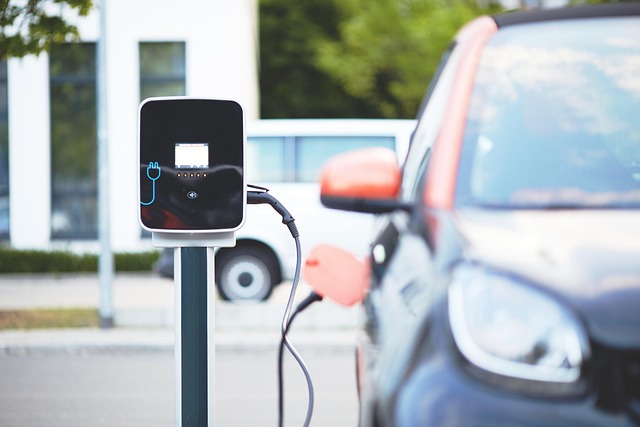
To begin the car registration process in California, your first stop should be your local Department of Motor Vehicles (DMV) office. Here’s a step-by-step guide to make it straightforward and hassle-free. Once at the DMV, you’ll need to gather all necessary documents including your vehicle’s registration papers, proof of insurance, and valid identification like a driver’s license. A crucial part of this process involves using a DMV VIN verifier to check your car’s history and ensure it meets safety standards.
Next, you’ll fill out an application form for vehicle registration, providing details about your car including the make, model, year, and color. If you’re transferring ownership, you’ll also need the seller’s information. For added convenience, many DMV offices now offer mobile VIN verification services, allowing you to conduct a vin inspection right at the office or even before submitting your application. This streamlines the process and ensures that all necessary checks are completed promptly.
Verify Vehicle Identity Using VIN Number

To start the car registration process in California, the first step is to verify the vehicle’s identity using its unique Vehicle Identification Number (VIN). This number serves as a digital fingerprint for your car and can be used to access detailed information about its history, specifications, and any previous accidents or damage. You can easily verify the VIN by visiting the DMV website and utilizing their online VIN verifier tool. Alternatively, many mobile vin verifiers are available that allow you to perform a vin inspection right from your smartphone.
By entering your vehicle’s 17-character VIN, you’ll gain access to crucial data essential for registration. This includes the make, model, year, and engine type of your car. Additionally, it helps ensure that you’re registering the correct vehicle, protecting against potential identity theft or errors in the process. A mobile vin verification is just as effective as a dmv vin verifier, offering quick and convenient access to these critical details when preparing your paperwork for car registration.
Pay Registration Fees and Obtain License Plate

After completing your vehicle’s purchase, it’s time to register your car with the California Department of Motor Vehicles (DMV). The process begins by paying the required registration fees, which vary based on vehicle type and model year. You can typically do this online or at a local DMV office. Once the fees are paid, you’ll need to obtain license plates for your vehicle. This involves submitting the necessary paperwork, including proof of insurance, ownership documents, and possibly a completed DMV Form 137 (Vehicle Identification Number Verification).
A crucial step in the registration process is ensuring your Vehicle Identification Number (VIN) is verified. You can do this through a mobile VIN inspection or by visiting a DMV office for an in-person verification. Using a DMV VIN verifier helps ensure that your vehicle’s details match the information on record, thus streamlining the registration and licensing process. Always refer to official channels like the DMV website or local offices for accurate instructions tailored to your specific situation.
Registering a car in California involves understanding specific requirements, gathering essential documents, and visiting your local DMV. By following these steps, including verifying vehicle identity using a DVV (vehicle identification number) checker, paying registration fees, and obtaining license plates, you can ensure your vehicle is legally registered and ready to hit the road. Remember to keep your documentation up-to-date for smooth future interactions with the California DMV.