

Registering a car in California is a critical step for any new owner, ensuring legal compliance and facilitating seamless operation on state roads. However, navigating the process can be cumbersome, with various requirements and documentation needed. This comprehensive guide aims to demystify the procedure, offering expert insights into every step. We’ll walk you through gathering essential documents, understanding fees, and utilizing reliable tools like a VIN verifier to ensure accuracy. By the end, you’ll be equipped with the knowledge to register your vehicle smoothly and confidently in the Golden State.
- Prepare Your Documents for Car Registration in California
- Understand the Requirements: Vehicle & Owner Information
- Verify Vehicle Identity with a VIN Verifier
- Choose an Appropriate Registration Type and Pay Fees
- Submit Application and Collect Your Registered Plate
Prepare Your Documents for Car Registration in California

Before you begin the car registration process in California, ensuring your documents are prepared is crucial. Accurate and complete paperwork is essential for a smooth transaction with the Department of Motor Vehicles (DMV). One critical step often overlooked is verifying your Vehicle Identification Number (VIN). This unique code is not just a serial number; it holds vital information about your vehicle’s history, making it indispensable during registration.
In California, VIN inspection is a mandatory part of the registration process. Traditional methods involve taking your vehicle to a DMV office, where they’ll conduct a manual check using the VIN on the car’s chassis. However, with technological advancements, you can now opt for a more convenient and efficient solution: mobile VIN verification. This service allows you to get your VIN checked remotely by a professional using specialized equipment. It’s particularly beneficial for those with busy schedules or vehicles that are not drivable to the DMV.
For instance, let’s consider a scenario where Jane wants to register her newly purchased classic car in California. Instead of scheduling an appointment and making the trip to the DMV, she can utilize a mobile VIN inspection service. A certified inspector will visit her home or workplace, perform a thorough VIN inspection, and provide her with a detailed report. This report includes crucial data like the vehicle’s make, model, year, and any previous owners, all of which are essential for completing her registration documents. Mobile VIN verification ensures accuracy, saves time, and adds convenience to what can often be a bureaucratic process.
Remember, having accurate and up-to-date documentation is not just about adhering to legal requirements but also ensuring your vehicle’s history is correctly represented. Whether you’re buying or selling, or simply registering for the first time, taking the extra step of obtaining a reliable VIN inspection or verification can save you from potential issues down the line.
Understand the Requirements: Vehicle & Owner Information

Registering a car in California involves understanding specific requirements regarding vehicle and owner information. The first step is to ensure your vehicle meets all legal standards, including emission and safety regulations. All vehicles must pass an emissions test, which can be done at designated centers or through mobile vin inspection services that verify both the vehicle’s identity using its unique Vehicle Identification Number (VIN) and its compliance with environmental standards. For instance, California has strict regulations regarding smog tests, especially for older models.
Owner information is equally crucial. You’ll need to provide valid identification documents such as a driver’s license or passport. Additionally, proof of residency is required, typically through a utility bill or lease agreement. If the vehicle is being purchased from a dealership, they usually handle these details during the transaction. However, private sales demand more diligence from the buyer and seller to ensure all necessary paperwork is in order. Mobile vin verification services can assist in this process by quickly confirming the VIN and its associated records, ensuring both vehicle and owner compliance with California’s registration requirements.
Another critical aspect is ensuring the accuracy of your vehicle’s description, including make, model, year, and color. This information is used to issue a unique license plate and register the vehicle with the California Department of Motor Vehicles (DMV). Incorrect details can lead to delays or issues in future transactions. It’s advisable to double-check all data before submitting your registration application, especially when dealing with vintage or classic cars where historical accuracy is paramount. Using mobile vin inspection tools can help verify not just the VIN but also the vehicle’s history and specifications, streamlining the registration process.
Verify Vehicle Identity with a VIN Verifier
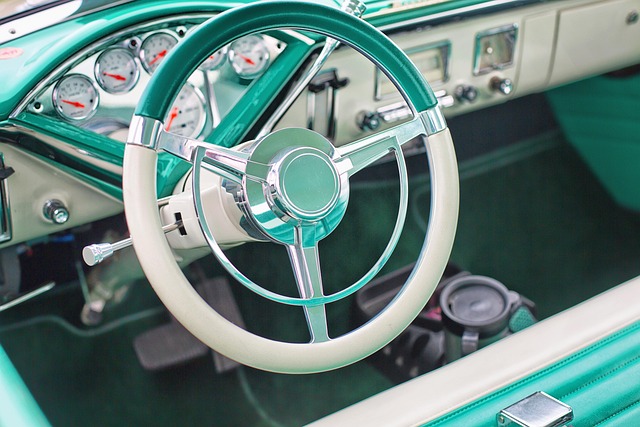
Verifying the identity of your vehicle is a critical step in the car registration process in California, ensuring that you and the state have accurate information. One effective method for this verification is through the use of a VIN (Vehicle Identification Number) verifier. This tool plays a crucial role in maintaining the integrity of vehicle records and helping to prevent fraud.
A VIN verifier is a specialized service or device designed to cross-reference the provided VIN with authoritative databases, such as those maintained by the National Motor Vehicle Title Information System (NMVTIS). This inspection process involves inputting your vehicle’s unique 17-character VIN into the system, which then conducts a thorough check against recorded data. The verification includes checking for any title history, accident reports, or brand/leasing information associated with that specific VIN. Mobile vin inspection services have gained popularity, allowing individuals to conduct this crucial step conveniently, often remotely.
For instance, in California, where vehicle registration is a stringent process due to the state’s high population and subsequent demand for accurate records, mobile vin verification has become increasingly common. This service can be particularly beneficial when dealing with out-of-state purchases or older vehicles that may have less comprehensive title histories. By utilizing these modern tools, car owners can ensure their vehicle’s identity is verified accurately, streamlining the registration process and providing peace of mind. Remember, an accurate VIN inspection is a fundamental step in ensuring your vehicle’s legitimacy and your compliance with California’s registration regulations.
Choose an Appropriate Registration Type and Pay Fees

When registering a car in California, understanding your vehicle’s specific needs is crucial before diving into the process. Different types of vehicles require distinct registration approaches, especially when it comes to specialized or vintage cars. The first step in this journey involves selecting the appropriate registration type that aligns with your vehicle’s category. California offers various options tailored for standard passenger vehicles, commercial trucks, motorcycles, and even unique vehicle classes like classic cars and motorhomes.
For instance, if you possess a classic 1967 Mustang, it might qualify for a “Classic Car” registration, which has specific requirements, including proof of age and potential inspection using a mobile VIN verification service to ensure its historical integrity. Conversely, your everyday sedan will fall under the standard passenger vehicle category. After choosing the right registration type, you’ll encounter associated fees. California’s Department of Motor Vehicles (DMV) calculates these charges based on factors like vehicle weight, emissions standards met, and intended use. Online fee calculators are available to provide transparency and allow you to plan your budget accordingly.
The mobile VIN verification process plays a significant role in this phase. It involves utilizing specialized tools to check a vehicle’s history, ensuring it’s not stolen and confirming the accuracy of its identification details. Many reputable mobile vin inspection services offer this convenience, allowing you to complete this step efficiently. By combining the right registration type selection with prompt fee payment, you’ll be well on your way to legally registering your vehicle in California, ensuring a smooth driving experience from day one.
Submit Application and Collect Your Registered Plate

Once you have gathered all your necessary documents and passed the California vehicle inspection, it’s time to submit your application and receive your registered license plate. This crucial step completes the registration process, ensuring your vehicle is legally recognized on California roads. Begin by filling out Form MV-52, which serves as the Application for Title and Registration. Accurately complete all required fields, including your personal information, vehicle details, and payment information. It’s essential to provide legitimate and up-to-date data to avoid delays in the registration process.
Submitting your application can be done at a California Department of Motor Vehicles (DMV) field office or online through the DMV’s website. Going digital offers the advantage of faster processing times and the convenience of submitting your application from the comfort of your home. If choosing the online route, create an account on the DMV portal, access the form, and follow the step-by-step instructions. Once submitted, you will receive a confirmation number, which can be used to track the status of your registration.
Upon approval, the DMV will process your application, including performing a vehicle identification number (VIN) inspection. This involves verifying the VIN using mobile VIN verification services to ensure it matches the data in their records and that there are no outstanding issues or liens on the vehicle. Efficient completion of this step expedites the issuance of your license plate. After processing, you will receive your registration documents and a set of custom license plates tailored to your vehicle’s make, model, and year.
By meticulously preparing your documents, understanding the California car registration requirements, verifying vehicle identity with a VIN verifier, choosing the right registration type, and submitting a complete application, you can ensure a smooth process for registering your vehicle in California. These steps are designed to streamline an often complex procedure, empowering you to navigate it efficiently. A key component of this process is the use of a VIN verifier, which plays a crucial role in confirming your vehicle’s identity and authenticity. Taking these practical next steps will not only facilitate the registration but also ensure your car’s legal status and roadworthiness in the Golden State.