

Registering a car in California is a straightforward process, but understanding the requirements is key. This guide walks you through every step, ensuring a smooth experience. From gathering essential documents for VIN verification to choosing the right registration type, we’ve got you covered. Perform a VIN check, submit your application, and pay fees with ease. By following these simple steps, you’ll be legally registered in no time, hitting California’s roads stress-free.
- Understand California Car Registration Requirements
- Gather Necessary Documents for VIN Verification
- Perform Vehicle Identification Number (VIN) Check
- Choose an Appropriate Registration Type
- Submit Application and Pay Fees
Understand California Car Registration Requirements

Before registering your car in California, it’s crucial to understand the state’s specific requirements. One key step involves confirming your vehicle’s identity through a process known as VIN verification (Vehicle Identification Number). This process ensures that the car matches the information on file with the manufacturer and is not a stolen or altered vehicle.
In California, you’ll need to have your car inspected by an approved mobile vin verifier or complete a vin inspection at a designated location. This verification is essential to demonstrate ownership and ensure your vehicle complies with all safety and emission standards set by the state. A simple vin inspection can provide peace of mind and help streamline the registration process.
Gather Necessary Documents for VIN Verification

Before registering your car in California, you’ll need to ensure that all required documents are ready for a crucial step: VIN (Vehicle Identification Number) verification. This process is essential to confirm the vehicle’s authenticity and history. Gather important paperwork such as the title, registration certificate, proof of insurance, and a valid driver’s license or state ID card. Additionally, have your vehicle’s service records handy; these documents play a significant role in the mobile vin verification process, especially if you’re opting for a mobile vin inspection.
For a seamless vin verification experience in California, ensure that all documents are up-to-date and accurate. The state requires this step to protect consumers and prevent fraud. If you have recently purchased a used car, be prepared to present purchase agreements, sales tax receipts, or any other relevant paperwork to demonstrate ownership. A mobile vin verifier can assist in this process by providing on-site verification services, making it convenient for California residents to complete their vehicle registration requirements efficiently.
Perform Vehicle Identification Number (VIN) Check

Before you register your car in California, it’s crucial to perform a Vehicle Identification Number (VIN) check. This step is essential for ensuring that the vehicle you’re about to register is legitimate and has not been reported as stolen or had its identity altered. A mobile VIN inspection or using a mobile VIN verifier can make this process convenient; these services allow you to verify the vehicle’s history quickly and efficiently, often right from your location.
By conducting a thorough VIN verification, you gain valuable insights into the car’s past, including its ownership history, accident records, and maintenance logs. This information is critical in making an informed decision about registering the vehicle. In California, where strict regulations are in place to maintain road safety and vehicle integrity, a valid and accurate VIN check is mandatory before finalizing the registration process.
Choose an Appropriate Registration Type
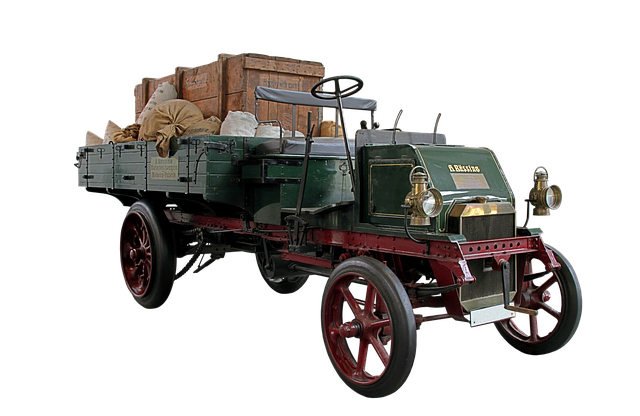
When registering your car in California, understanding the different registration types is crucial. The appropriate choice depends on factors like vehicle age, use, and ownership status. For instance, private vehicles typically require a standard registration, while commercial or custom-built cars might need specialized forms. One key consideration is whether to opt for an online or in-person registration, each with its own set of requirements and benefits.
A significant aspect of this process involves VIN (Vehicle Identification Number) verification, which ensures the vehicle’s authenticity. For added convenience, many services offer mobile VIN verification or inspection, allowing you to complete this step from the comfort of your home. This digital approach streamlines the registration process, especially for older vehicles that may require additional documentation for historical accuracy and compliance.
Submit Application and Pay Fees

After gathering all necessary documents, it’s time to submit your application and fees for car registration. This crucial step involves filling out Form DV301 (Application for Title and Registration) available from the California Department of Motor Vehicles (DMV). Ensure accuracy in completing this form as any mistakes may delay the process.
Along with your application, you’ll need to pay the required fees, which include a registration fee and a vehicle identification number (VIN) verification charge. For convenience, you can often submit both online or at your local DMV office. Popular alternatives for VIN verification include using a mobile vin verifier or scheduling a vin inspection, ensuring your car’s history is accurately represented before final registration.
Registering a car in California involves understanding specific requirements, gathering essential documents, and completing a VIN verification process. By following these steps and choosing the right registration type, you can ensure your vehicle complies with state regulations. Remember, accurate and up-to-date information is key to a smooth registration experience, so always refer to official resources for the most current guidelines during the vin verification stage.